Seattle Bathroom Remodel Contractor Guide: Choosing Materials, Layouts, and Fixtures
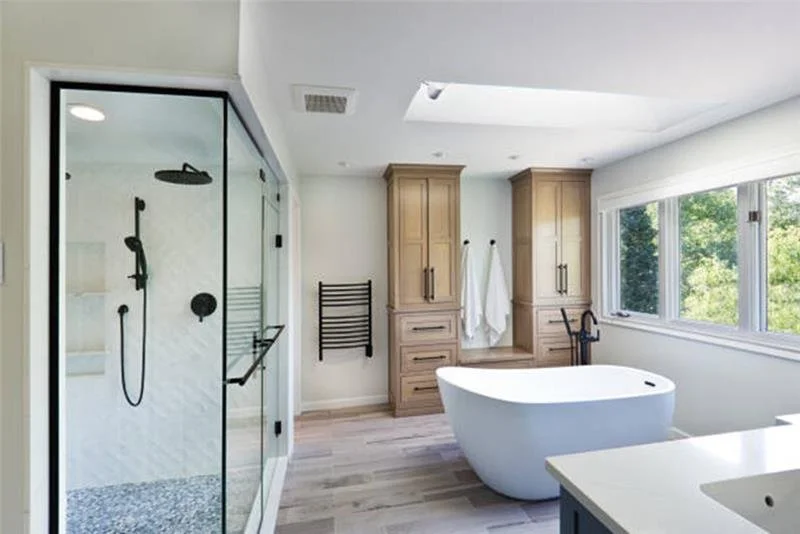
Pacent Construction supports homeowners throughout Seattle who want bathrooms that function better, last longer, and feel more comfortable for everyday use. Whether you are updating a small hallway bathroom or redesigning a primary ensuite, every decision affects long term usability. A seattle bathroom remodel contractor helps homeowners navigate those decisions by aligning layout, materials, and fixtures with the structure of the home and the local building environment. Seattle homes vary widely in age and design, making expert planning especially important for achieving durable and code compliant results.
A professional remodeling approach ensures that your bathroom performs well in daily use while also increasing the overall livability of your home.
What Does a Seattle Bathroom Remodel Contractor Do?
A seattle bathroom remodel contractor manages the entire renovation process, ensuring every technical and structural detail is handled correctly. Their responsibilities extend far beyond cosmetic changes, covering all major systems within the bathroom.
These responsibilities typically include:
Reviewing the existing bathroom layout and structure
Coordinating plumbing, electrical, and ventilation updates
Managing permits and inspections
Installing waterproofing, fixtures, and finishes
Seattle bathrooms often involve complex mechanical systems, especially in older homes. Contractors ensure that water supply, drainage, ventilation, and electrical components work together safely. Homeowners can explore how these services are delivered through the bathroom remodeling Seattle services page, which explains how full bathroom renovations are planned and executed within local code requirements.
How Bathroom Layouts Are Planned
Evaluating the Existing Space
Every bathroom remodel begins with understanding what already exists. A seattle bathroom remodel contractor inspects framing, plumbing locations, and electrical routing to determine what can be reused and what must be modified. The current footprint, ceiling height, and wall placement all influence design options.
Important considerations include:
Distance between fixtures
Location of plumbing stacks
Structural wall limitations
Access to natural or mechanical ventilation
Seattle’s housing stock ranges from historic craftsman homes to compact townhomes, each requiring different layout strategies to maximize efficiency and compliance.
Traffic Flow and Function
Good layout design ensures smooth movement throughout the space. Doors, drawers, and fixtures must operate without obstruction. A contractor plans the layout to allow easy access to sinks, showers, and toilets, even when multiple people use the bathroom.
Key layout principles include:
Clear walking paths
Comfortable spacing between fixtures
Easy access to storage
Door swing and cabinet clearance
These factors help ensure the bathroom remains functional even as household needs change.
Accessibility and Future Use
Many Seattle homeowners consider long term usability. Features such as wider doorways, curbless showers, and wall blocking for grab bars can be included during remodeling without changing the appearance. A seattle bathroom remodel contractor incorporates these elements during framing and planning stages, allowing the bathroom to adapt to future mobility needs without requiring major renovation later.
Choosing Bathroom Materials That Perform Well in Seattle
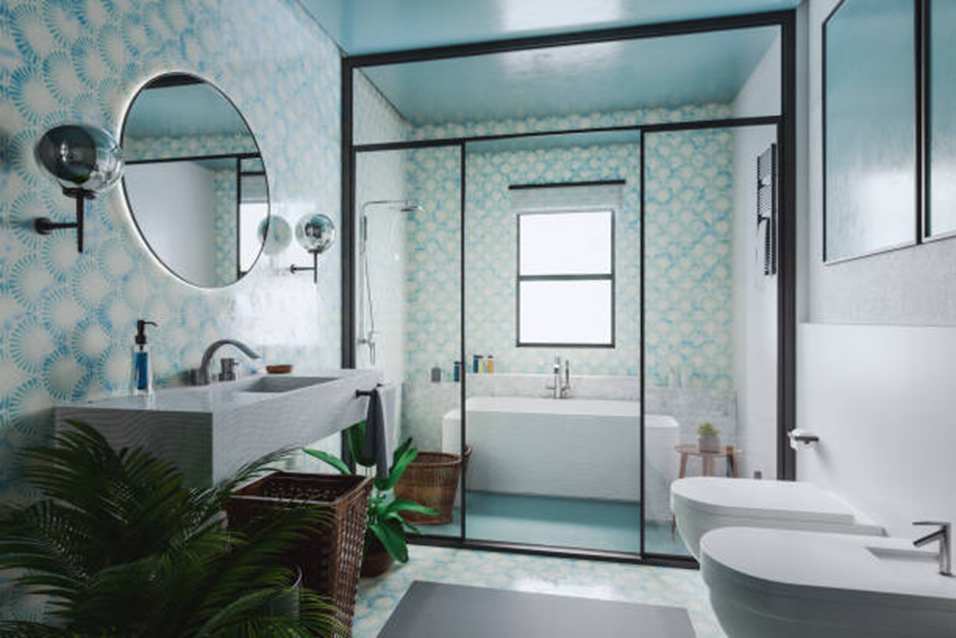
Seattle’s damp climate makes material selection especially important. Moisture resistant surfaces prevent long term damage, mold growth, and maintenance issues.
Flooring Options
Bathroom floors must resist water, temperature changes, and daily wear. Popular options include:
Porcelain or ceramic tile
Luxury vinyl plank
Natural stone with proper sealing
Tile remains a top choice because it is durable and easy to clean. Vinyl flooring adds warmth and comfort while still providing moisture resistance.
Wall and Shower Surfaces
Shower walls and wet areas require waterproof assemblies behind the surface material. Tile installed over waterproof membranes is common, while solid surface wall panels reduce grout lines and simplify cleaning. A seattle bathroom remodel contractor ensures that vapor barriers and waterproofing systems are installed correctly behind every surface.
Countertops and Vanities
Countertops should resist moisture and stains. Quartz, solid surface, and sealed stone are commonly used. Vanities must be designed for bathroom conditions, with moisture resistant finishes and proper ventilation to prevent warping and decay.
Fixtures and How They Affect Performance
Bathroom fixtures influence both comfort and water efficiency. Selecting the right fixtures improves usability and reduces long term operating costs.
Toilets and Water Efficiency
Modern toilets use less water while maintaining reliable performance. Seattle plumbing codes encourage water conservation, so newer models often replace outdated fixtures during remodeling.
Showers and Tubs
Shower systems must include quality valves, drains, and waterproofing. Walk in showers are widely used because they maximize space and reduce water splash. Tubs are chosen based on bathing habits, space constraints, and comfort preferences.
Faucets and Hardware
Fixtures must balance appearance with durability. A seattle bathroom remodel contractor installs hardware that meets local standards and holds up under daily use, including corrosion resistant finishes and solid internal components.
How Permits and Codes Affect Bathroom Remodeling
Seattle requires permits for most bathroom remodels that involve plumbing, electrical, or layout changes. Contractors handle these requirements and schedule inspections with the city.
Common code requirements include:
GFCI protected outlets
Mechanical ventilation systems
Waterproofing standards
Proper drain and vent sizing
These rules protect homeowners and ensure safe, long lasting bathrooms. Contractors familiar with Seattle codes prevent costly corrections and project delays.
Typical Bathroom Remodeling Timeline
Phase |
Description |
Typical Duration |
Planning and design |
Measurements, layouts, material selection |
2 to 4 weeks |
Permitting |
City approvals and documentation |
2 to 6 weeks |
Demolition |
Removal of old materials |
1 to 3 days |
Rough in work |
Plumbing, electrical, framing |
1 to 2 weeks |
Installation |
Tile, fixtures, cabinetry |
2 to 4 weeks |
Final inspection |
City approval and close out |
1 week |
A seattle bathroom remodel contractor coordinates each phase to keep work moving efficiently and safely.
How Budgeting Works for Bathroom Remodels
Costs vary based on:
Room size
Fixture quality
Tile and countertop selections
Plumbing and electrical changes
Moving plumbing lines or upgrading mechanical systems increases labor and permit costs. Contractors provide itemized estimates so homeowners understand where funds are allocated. Many homeowners review educational content on the blog to better understand budgeting and material tradeoffs before making final decisions.
Why Experience Matters in Seattle Bathroom Remodeling
Seattle homes present unique challenges, including aging plumbing, uneven framing, and strict energy codes. A seattle bathroom remodel contractor understands how to update older systems and integrate modern materials without compromising structural integrity or safety.
Local experience also ensures that remodels meet zoning, noise, and inspection requirements that differ from other cities.
Working With Pacent Construction on Bathroom Remodeling
Pacent Construction provides structured bathroom remodeling services for Seattle homeowners. Their approach includes planning, permitting, material coordination, and skilled installation. Homeowners can review the full service scope through the bathroom remodeling Seattle page, which outlines how projects are handled from concept to completion.
Each project is designed to align with the existing home while improving comfort, durability, and layout efficiency.
Conclusion
A successful bathroom remodel depends on thoughtful planning, durable materials, and proper installation. A seattle bathroom remodel contractor ensures that every part of the project meets building codes, functions efficiently, and supports long term use. From layout decisions to fixture selection, professional guidance helps homeowners avoid costly mistakes while achieving practical, well designed bathrooms.
Homeowners ready to begin planning can reach out using the book a consultation option to discuss their project with Pacent Construction.
Frequently Asked Questions
-
They manage design, permits, plumbing, electrical, and construction, ensuring every part of the remodel meets Seattle building standards.
-
Most projects take four to eight weeks of construction, plus planning and permitting time depending on the project’s complexity.
-
Yes, Seattle requires permits for plumbing, electrical, and layout changes. Contractors submit and manage these permits.
-
Yes. A contractor evaluates whether plumbing and structural changes are feasible and ensures that any modifications meet code.
-
A seattle bathroom remodel contractor recommends moisture resistant flooring, wall surfaces, and fixtures that perform well in Seattle’s damp climate.