Seattle Kitchen Remodel Contractors Guide to Open-Concept Kitchen Design
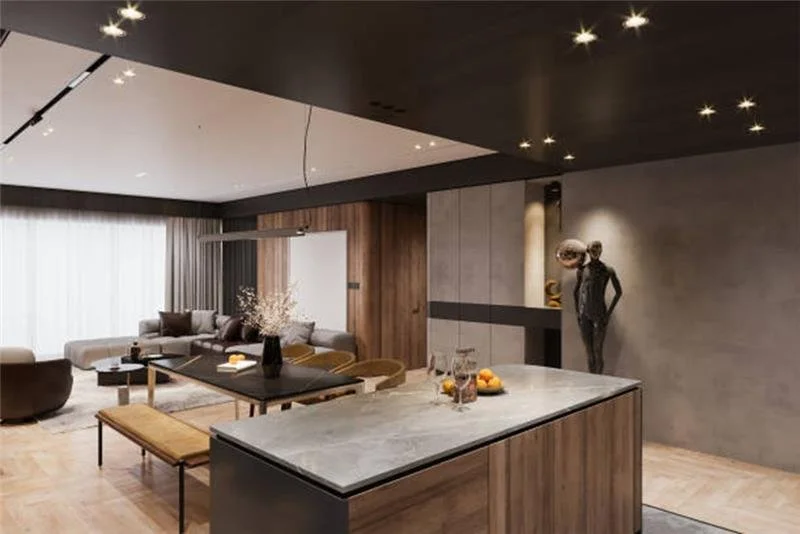
Open-concept kitchens have become a defining feature in modern Seattle homes, reshaping how families cook, gather, and use shared living areas. From historic Craftsman houses to newer townhomes and condominiums, homeowners are increasingly choosing to remove walls and rethink traditional layouts. The goal is not just visual openness, but better functionality and connection between spaces.
While the concept may seem straightforward, successful execution requires technical planning and local expertise. Structural constraints, utility placement, and permitting requirements all influence outcomes. This guide explains how Seattle kitchen remodel contractors approach open-concept kitchen design with practicality and long-term usability in mind.
Homeowners researching kitchen remodeling Seattle, comparing a kitchen remodel near me, or planning a kitchen remodel in Seattle WA will find guidance grounded in real conditions. Pacent Construction is referenced throughout as an example of a Seattle-based remodeling firm familiar with these challenges.
What Defines an Open-Concept Kitchen?
An open-concept kitchen removes physical barriers between the kitchen and adjacent spaces, such as dining or living rooms. This creates visual continuity and shared light while supporting more flexible daily use. In Seattle homes, this often involves removing partial walls, widening doorways, or reconfiguring layouts entirely.
However, open concept does not mean the absence of structure. Functional separation still exists through layout, cabinetry placement, lighting, and material choices. A well-designed open kitchen supports cooking efficiency while blending naturally with surrounding spaces.
Professionals involved in kitchen renovation Seattle projects evaluate whether openness improves daily routines or introduces new challenges such as noise, storage limitations, or visual clutter.
Why Open-Concept Kitchens Are Popular in Seattle Homes
Seattle homeowners gravitate toward open kitchens for both practical and lifestyle reasons. The region’s architecture, climate, and urban density all influence this trend.
Urban Living and Space Efficiency
In many Seattle neighborhoods, lot sizes are small and homes are built vertically. Opening the kitchen helps visually expand limited square footage and allows multiple functions to coexist within one shared area. This approach also improves traffic flow, maximizes usable space, and creates a sense of openness that makes smaller homes feel larger and more connected.
Natural Light Considerations
Seattle’s climate includes extended periods of overcast weather. Open kitchens allow daylight from living or dining room windows to reach interior spaces, reducing reliance on artificial lighting and improving overall comfort. By bringing light deeper into the home, open layouts also enhance the mood and ambiance of the kitchen while making the space feel warmer and more inviting.
Lifestyle and Entertaining
Open kitchens support social interaction. Cooking no longer isolates the cook, and families can multitask across spaces. A knowledgeable kitchen contractor Seattle homeowners work with will assess whether this aligns with household routines. Additionally, open layouts provide a better environment for hosting guests, allowing casual dining, conversation, and activities to occur seamlessly across connected spaces.
Structural Considerations Before Opening a Kitchen
Structural assessment is one of the most critical steps in open-concept kitchen remodeling. Walls often serve important load-bearing or mechanical functions that must be addressed safely.
Load-Bearing Walls
Many older Seattle homes contain load-bearing walls separating kitchens from dining rooms. Removing these walls requires engineered beams or posts to redistribute weight safely, ensuring the structure above remains fully supported. These walls often carry the weight of upper floors, roof framing, or even chimneys in older houses, making careful planning essential.
Seattle kitchen remodel contractors typically collaborate with structural engineers to determine appropriate solutions that meet building codes and inspection requirements. This process also involves evaluating the type of beam needed, the placement of supports, and ensuring that the final design integrates seamlessly with the overall kitchen layout without disrupting adjacent rooms.
Mechanical and Utility Relocation
Walls frequently house plumbing, electrical wiring, or HVAC ducting. Opening a kitchen may require rerouting these systems, which can affect project cost, timeline, and overall workflow. Proper planning ensures that water lines, gas connections, and electrical circuits remain safe and code-compliant.
Coordinating with licensed electricians, plumbers, and HVAC professionals is crucial to avoid delays or unexpected complications. In addition, careful planning helps maintain appliance efficiency and overall kitchen functionality. Experienced Seattle kitchen remodel contractors anticipate these challenges early in the design process to prevent costly adjustments during construction.
Ceiling Height and Framing
Open layouts often highlight ceiling conditions, creating opportunities to enhance natural light and visual spaciousness. Exposed beams, dropped ceilings, or framing transitions must be handled carefully to maintain visual continuity and structural integrity. Irregular ceiling heights can affect cabinet placement, lighting design, and the overall aesthetic of the kitchen.
Contractors may recommend refinishing existing beams, adding subtle trim, or aligning ceiling planes with adjacent rooms to preserve a cohesive appearance. Proper framing ensures not only safety but also the aesthetic appeal of the open-concept design, making the kitchen feel both inviting and structurally sound.
Pacent Construction emphasizes early structural analysis to prevent design changes later in construction.
Open-Concept Kitchen Layout Options
Layout planning ensures that open kitchens remain functional and organized even without walls.
Kitchen with Island Layout
This is one of the most common open-concept designs in Seattle homes.
Advantages:
Creates a natural transition between spaces
Adds seating and storage
Supports casual meals and social interaction
Design Considerations:
Adequate clearance around the island
Appliance placement that avoids traffic congestion
Professionals handling kitchen remodeling Seattle projects often recommend islands when circulation allows.
Peninsula Kitchen Layout
A peninsula extends from existing cabinetry and partially encloses the kitchen while maintaining openness.
Advantages:
Works well in narrower homes
Requires less space than a full island
Design Considerations:
Seating should not block walkways
Storage access must remain practical
This layout is frequently selected in kitchen remodel near me projects involving townhomes or split-level houses.
Fully Integrated Open Kitchen
In this design, the kitchen visually blends into the living space without clear boundaries.
Advantages:
Maximizes openness and natural light
Supports minimalist aesthetics
Design Considerations:
Consistent finishes across spaces
Careful storage planning to reduce clutter
A skilled kitchen remodel Seattle WA contractor helps balance visual simplicity with daily usability.
Zoning an Open-Concept Kitchen
Even without walls, zoning is essential to maintain order and efficiency.
Functional Zones
Cooking zone with range and prep counters
Cleanup zone near sink and dishwasher
Storage zone for pantry items and appliances
Visual Zoning Techniques
Flooring transitions or area rugs
Lighting changes between zones
Cabinet depth or ceiling treatments
Seattle kitchen remodel contractors use zoning to keep open kitchens practical rather than chaotic.
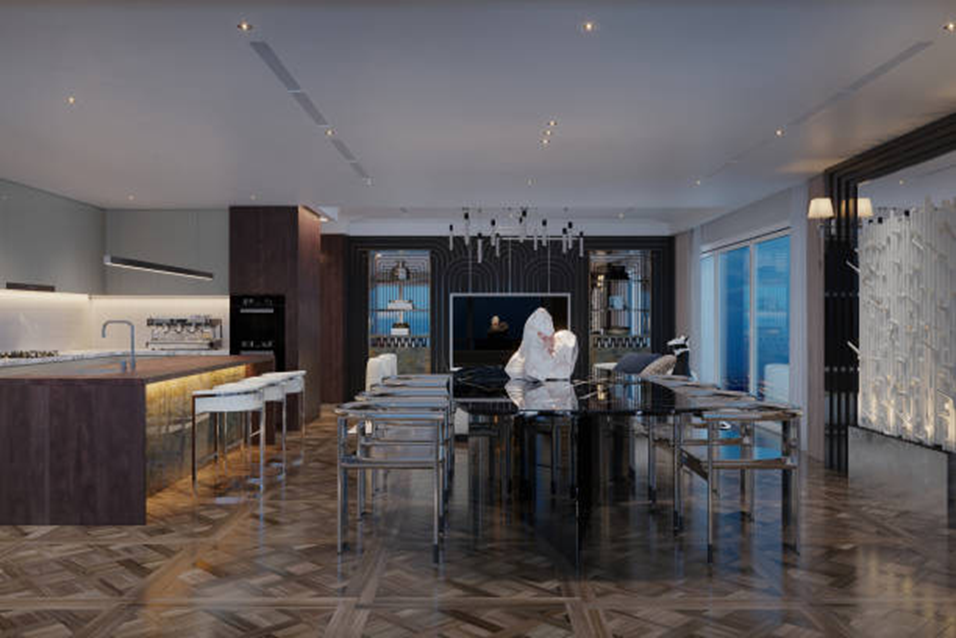
Open vs Closed Kitchens in Seattle Homes
Feature |
Open-Concept Kitchen |
Closed Kitchen |
Natural light |
Higher |
Limited |
Noise control |
Lower |
Higher |
Social interaction |
Strong |
Minimal |
Storage flexibility |
Moderate |
Higher |
Seattle permit complexity |
Higher |
Lower |
This comparison helps homeowners weigh benefits and trade-offs before committing to a layout change.
Material Choices for Open-Concept Kitchens
Materials play a larger role in open kitchens because they are visible from multiple angles.
Cabinetry
Neutral colors blend with adjacent rooms
Simple profiles reduce visual distraction
Countertops
Durable surfaces suited for frequent use
Subtle patterns that do not dominate sightlines
Flooring Continuity
Many kitchen renovation Seattle projects extend the same flooring through kitchen and living areas to enhance flow and cohesion.
Lighting Design for Open Kitchens
Lighting supports both function and atmosphere in open layouts.
Layered Lighting Strategy
Recessed fixtures for general illumination
Pendant lights to define kitchen zones
Under-cabinet lighting for task areas
Coordinating with Adjacent Spaces
Fixture styles and color temperatures should align across rooms to maintain consistency and comfort.
An experienced kitchen contractor Seattle homeowner's trust integrates lighting planning early in the design process.
Permits and Code Requirements in Seattle
Open-concept remodels typically require permits due to their complexity.
Common Permit Triggers
Removal of structural walls
Electrical or plumbing relocation
HVAC modifications
Inspection Process
Seattle requires inspections at various stages. Proper scheduling prevents delays and ensures compliance.
Pacent Construction is familiar with Seattle’s permitting environment and emphasizes thorough documentation.
Budget Considerations for Open-Concept Kitchen Remodels
Open kitchens often cost more due to expanded scope.
Cost Factors
Structural engineering
Beam or post installation
Utility rerouting
Finish upgrades
Homeowners searching for a kitchen remodel near me should plan for contingencies, especially in older properties.
Choosing the Right Seattle Kitchen Remodel Contractors
Open-concept kitchens require coordination across multiple disciplines.
What to Evaluate
Experience with structural modifications
Familiarity with Seattle building codes
Clear communication and project planning
Homeowners researching Seattle kitchen remodel contractors often prioritize transparency and realistic timelines.
Pacent Construction focuses on clear planning and informed decision-making.
How Pacent Construction Approaches Open-Concept Kitchens
Pacent Construction approaches open-concept kitchen remodeling by evaluating structure, lifestyle needs, and long-term functionality. Their process typically includes:
Structural evaluation
Layout and zoning planning
Permit coordination
Construction oversight
Homeowners can explore kitchen remodeling services through the kitchen remodeling service page, review insights on the blog, or begin discussions through the book a consultation page.
Call to Action
If you are considering opening your kitchen, learning about layout options, structural requirements, and Seattle regulations is an important first step. Reviewing professional resources and consulting experienced contractors can clarify feasibility and costs.
Exploring educational resources from Pacent Construction or scheduling a consultation can help homeowners plan confidently and avoid common pitfalls.
Conclusion
Open-concept kitchen design continues to shape Seattle homes by improving light, flexibility, and social connection. While these layouts offer many advantages, they also require careful planning, structural expertise, and code compliance.
By working with experienced Seattle kitchen remodel contractors and understanding local requirements, homeowners can create open kitchens that remain functional over time. Pacent Construction serves as a useful local reference for navigating these decisions.
Frequently Asked Questions
-
Yes, but structural evaluation is essential. Many older homes require engineered beams.
-
Most projects require permits due to wall removal or utility changes.
-
Noise travels more easily, but layout and materials help manage it.
-
Yes, which is why cabinetry planning is critical in open layouts.
-
Light colors, efficient layouts, layered lighting, and consistent flooring all contribute to a more open feel.