Small Bathroom Remodel Seattle: Space-Saving Designs That Maximize Functionality
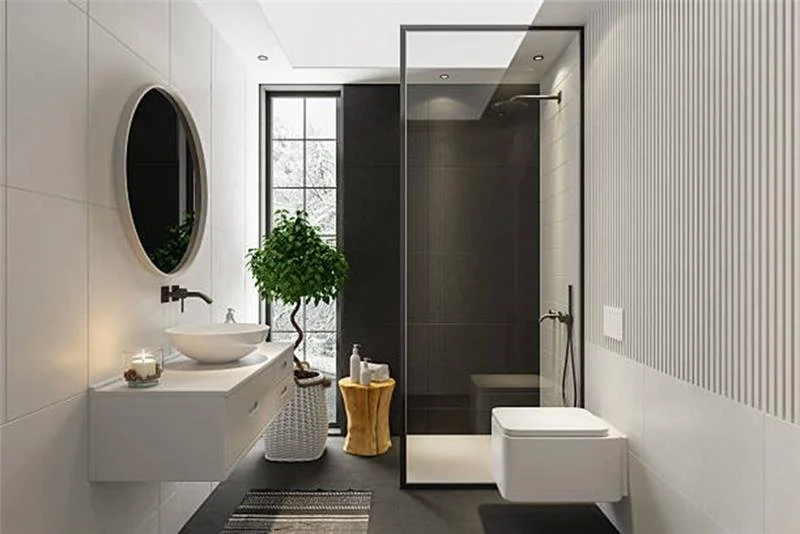
Pacent Construction works with homeowners across Seattle who are dealing with tight, outdated, or poorly designed bathrooms. Many houses in the city were built when bathrooms were considered purely functional, not comfort focused living spaces. A professional bathroom remodel Seattle process helps transform those compact rooms into areas that feel open, organized, and easy to use. When handled as part of a broader seattle home remodel, bathroom upgrades also improve the way the entire home functions, especially in older properties with limited storage and ventilation.
Small bathroom remodeling is not about making the room larger but about making it work better for everyday routines, moisture control, and long term durability.
Why Small Bathrooms Are Common in Seattle Homes
Seattle’s housing stock includes thousands of older homes where bathrooms were designed for very different living patterns than today. Many of these bathrooms were built before modern plumbing, lighting, and ventilation standards existed. As families grow and expectations change, these older spaces no longer meet daily needs.
Several reasons explain why small bathrooms are so common:
Homes were built with smaller footprints
Plumbing systems were simpler and limited
Bathrooms were not designed for storage
Multi person use was not considered
A carefully planned bathroom remodel Seattle project helps modernize these rooms while preserving the structure and character of Seattle homes.
How Layout Planning Improves Functionality
Understanding the Existing Space
Every successful small bathroom remodel begins with a careful evaluation of what already exists behind the walls. Plumbing stacks, electrical wiring, and structural framing all determine how much flexibility a remodel will have. A seattle home remodel approach includes measuring the room, locating utilities, and identifying any limitations that may affect fixture placement.
Contractors review:
Where water and drains are located
Which walls are structural
How the ceiling is framed
Where ventilation ducts run
These details allow the new layout to improve function without creating code or safety issues.
Improving Traffic Flow
In a compact bathroom, small layout changes can make a big difference. The goal is to eliminate wasted space and allow easy movement between fixtures. Replacing swing doors with pocket doors, choosing narrower vanities, or shifting a toilet slightly can improve how the room feels and functions.
A bathroom remodel Seattle layout focuses on:
Clear walking paths
Door and drawer clearance
Easy access to sinks and showers
Logical placement of storage
These changes make daily use more comfortable, even when the room size stays the same.
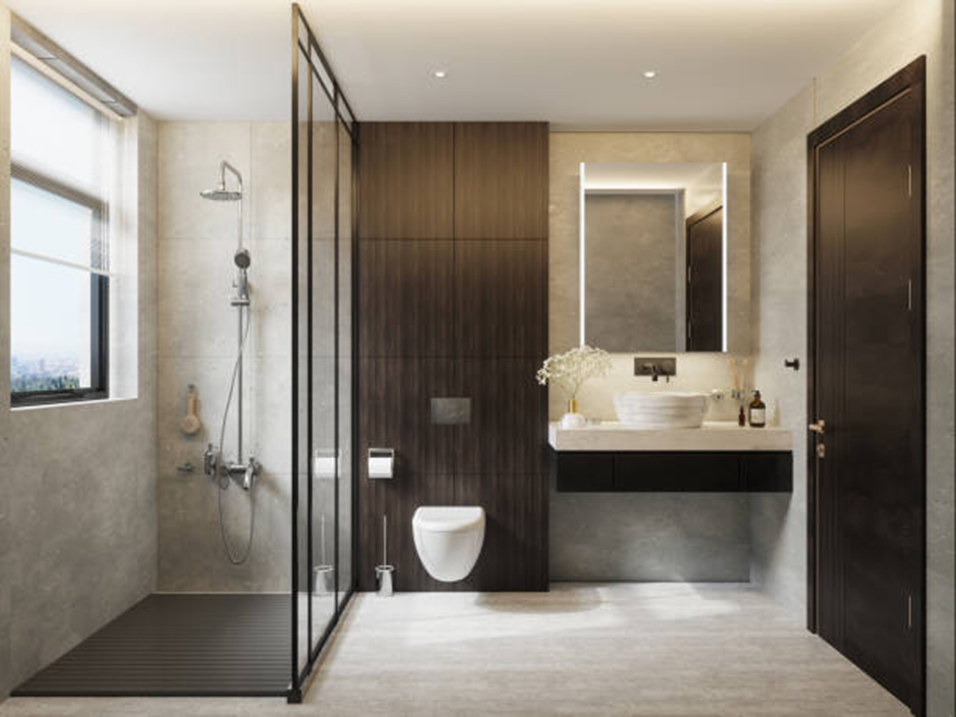
Space Saving Design Strategies
Using Vertical Storage
When floor space is limited, wall space becomes essential. Vertical storage helps keep the room organized without making it feel crowded. Built in shelving and recessed cabinets store essentials while keeping surfaces clear.
Common vertical storage solutions include:
Recessed medicine cabinets
Tall linen cabinets
Built in shower niches
Floating shelves
These features are commonly included in seattle home remodel projects because they provide storage without shrinking the usable floor area.
Choosing Compact Fixtures
Modern bathroom fixtures are designed to fit into smaller spaces. Wall mounted toilets, shallow depth vanities, and compact sinks help open up the room while still providing full functionality.
A bathroom remodel Seattle often includes:
Wall hung vanities
Narrow profile toilets
Corner sinks
Sliding shower doors
These elements allow small bathrooms to feel more open and less cluttered.
Selecting Materials That Work in Small Bathrooms
Seattle’s climate makes moisture resistance especially important in small bathrooms. With limited airflow and more surfaces close together, materials must withstand humidity and regular cleaning.
Flooring Choices
Porcelain tile, ceramic tile, and luxury vinyl plank are common because they resist water and are easy to maintain. These materials also come in styles that can visually expand the space.
Wall and Shower Surfaces
Large format tiles or solid surface panels reduce grout lines and make walls easier to clean. A seattle home remodel often uses light colors and smooth finishes to reflect light and reduce visual clutter.
Vanities and Countertops
Floating vanities and slim profile cabinets increase floor visibility, making the room appear larger. Quartz and solid surface countertops are chosen for their durability and moisture resistance.
How Lighting and Ventilation Improve Small Bathrooms
Lighting Design
Good lighting makes a small bathroom feel more open and comfortable. A mix of ceiling lights, vanity lights, and mirror lighting reduces shadows and improves visibility for daily tasks.
A bathroom remodel Seattle lighting plan often includes:
Recessed ceiling lights
Task lighting at the vanity
Reflective mirrors
Ventilation Requirements
Seattle building codes require proper exhaust fans to remove moisture. In small bathrooms, effective ventilation prevents mold, protects finishes, and improves air quality.
A Seattle home remodel ensures fans are properly vented outside the home and sized for the room.
Permits and Code Considerations
Most bathroom remodels in Seattle require permits when plumbing, electrical, or ventilation is involved. These permits ensure the work meets safety and performance standards.
Code requirements typically include:
Ground fault protected outlets
Proper exhaust fans
Waterproof shower assemblies
Approved drain and vent systems
A bathroom remodel Seattle must follow these rules to avoid future issues or failed inspections.
Typical Timeline for a Small Bathroom Remodel
Phase |
Description |
Estimated Time |
Planning and design |
Measurements, layout, materials |
2 to 4 weeks |
Permitting |
City approvals |
2 to 6 weeks |
Demolition |
Removal of old fixtures |
1 to 3 days |
Rough in work |
Plumbing and electrical |
1 to 2 weeks |
Installation |
Tile, cabinetry, fixtures |
2 to 3 weeks |
Final inspection |
City approval |
1 week |
A Seattle home remodel timeline depends on how much plumbing and structural work is required.
How Budgeting Works for Small Bathroom Projects
Even small bathrooms can involve complex work. Costs depend on fixtures, tile, plumbing changes, and custom storage.
Key budget factors include:
Type of tile and flooring
Quality of fixtures
Electrical and plumbing updates
Permit and inspection costs
Homeowners often use the blog to better understand how material and layout decisions affect the final cost.
Working With Pacent Construction
Pacent Construction provides bathroom remodeling services tailored to Seattle homes. Their process includes layout planning, material coordination, and code compliant installation. Homeowners can explore service details through the bathroom remodeling Seattle page, which explains how projects are managed from start to finish.
Each remodel is designed to improve daily use while protecting the structure of the home.
Conclusion
A small bathroom can be transformed into a functional and comfortable space when designed correctly. A bathroom remodel Seattle project improves layout, storage, lighting, and durability, while a thoughtful seattle home remodel ensures the bathroom works well within the rest of the house. With the right planning and construction approach, even limited space can support modern living.
Homeowners ready to move forward can begin planning through the book a consultation option with Pacent Construction.
Frequently Asked Questions
-
Small bathrooms require careful layout planning, compact fixtures, and efficient storage to make the space functional without increasing the footprint.
-
Most projects take four to eight weeks, depending on permits, materials, and plumbing or electrical changes.
-
Yes. Most plumbing, electrical, and ventilation changes require city permits and inspections.
-
Yes. Vertical storage, recessed cabinets, and floating vanities provide storage without using valuable floor area.
-
It ensures the bathroom layout, systems, and materials work together to improve comfort, efficiency, and long term durability.